India’s emergence as the world’s fourth-largest economy, overtaking Japan with a nominal GDP of about $4.18 trillion, is more than a symbolic ranking change. It reflects a decade of sustained growth, policy reforms, and a rare “Goldilocks” macro environment of high growth with relatively low inflation. As India sets its sights on surpassing Germany and becoming the third-largest economy by around 2030, a critical but often underplayed driver is coming into sharper focus: MICE (Meetings, Incentives, Conferences and Exhibitions), hospitality, travel and tourism. Together, these sectors are no longer peripheral services—they are becoming central engines of growth, jobs, investment and global influence.
From Ranking Milestone to Growth Momentum
India’s climb to fourth place is underpinned by strong fundamentals. Real GDP growth accelerated to over 8% in recent quarters, supported by resilient domestic demand, robust private consumption and front-loaded public capital expenditure. Inflation has eased sharply, enabling the Reserve Bank of India to cut interest rates and support growth without destabilising prices. The external sector has also remained stable, with a narrowing current account deficit, rising services exports and strong remittance inflows.
This macro stability has given policymakers confidence to frame India’s growth story not just around manufacturing and infrastructure, but also around high-value services that add productivity, generate employment and enhance India’s global brand. It is within this context that tourism, hospitality and especially MICE are being repositioned as strategic sectors aligned with India’s ambition of becoming a multi-trillion-dollar economy by 2047.
MICE and Hospitality: High-Value Engines of a $4-Trillion Economy
The economic weight of tourism and hospitality in India is already substantial. In 2024, the sector contributed roughly ₹21 trillion to GDP and supported around 46.5 million jobs, accounting for over 9% of national employment. Within this, the MICE segment stands out as a high-growth, high-multiplier industry. The Indian MICE market generated about ₹4.16 lakh crore (nearly $50 billion) in 2024 and is projected to almost double to ₹8.73 lakh crore (about $104 billion) by 2030, growing at around 13% CAGR—far faster than overall GDP.
MICE spending has a powerful ripple effect. Every dollar spent on a conference or exhibition can generate up to three dollars in indirect economic activity through hotels, transport, food and beverage, retail, logistics and local services. This makes MICE a “soft power plus hard economics” tool: it monetises infrastructure investments while projecting India as a credible global business destination.
Jobs, Cities and the Road to India@2047
MICE, hospitality and tourism are also among India’s most employment-intensive sectors, creating jobs across skill levels—from hotel staff and event managers to logistics providers, technicians, designers and security personnel. Government and industry roadmaps linked to India@2047 envision tourism-linked value chains contributing to the creation of 15–20 crore jobs as India targets a 3-trillion-dollar tourism economy and a 10% share of GDP from tourism.
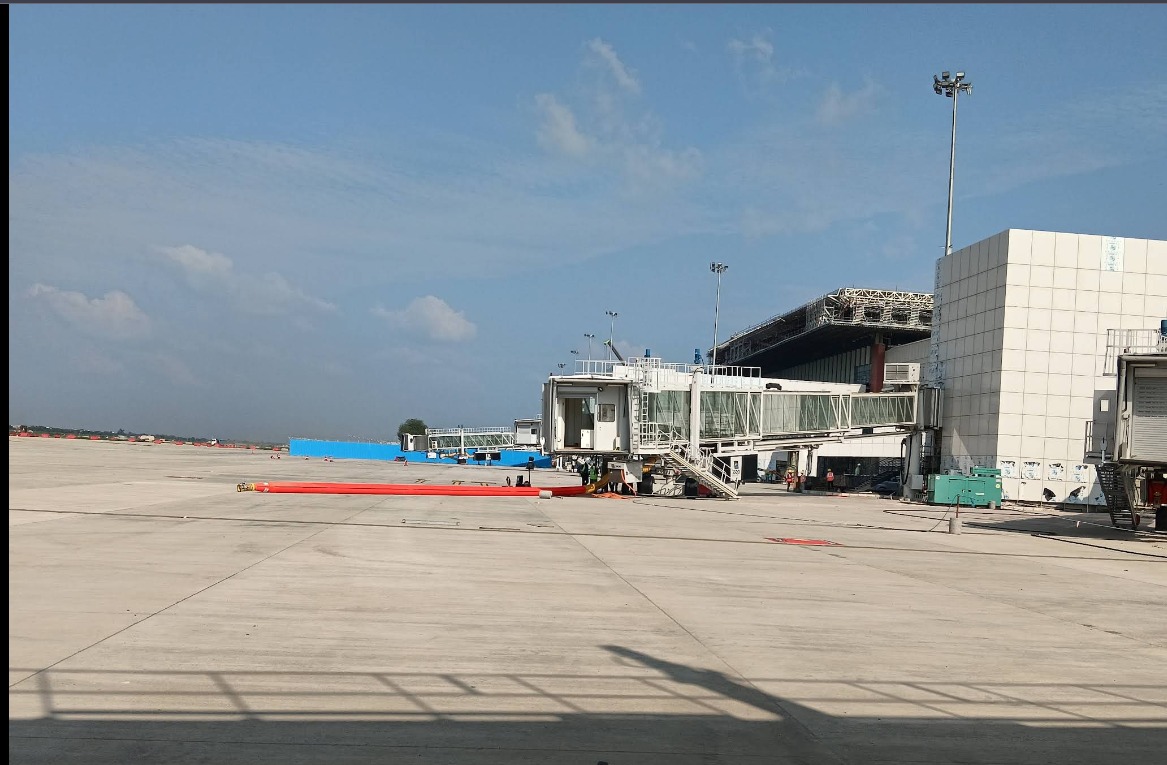
Urban development is closely tied to this push. Cities such as Delhi-NCR, Mumbai, Bengaluru, Hyderabad, Jaipur and Goa, along with emerging destinations like Varanasi and Kochi, are being developed as MICE-ready hubs, supported by airports, metro systems, convention centres and quality hotels. Rising hotel occupancies, stronger room rates and expanding branded room inventory indicate that business travel, conferences and large events are absorbing new capacity and supporting sustainable urban growth.
Conclusion: Turning Scale into Shared Prosperity
India overtaking Japan to become the world’s fourth-largest economy is a milestone—but not the end goal. The real challenge lies in converting aggregate GDP growth into broad-based prosperity, quality jobs and global competitiveness. MICE, hospitality and tourism play a unique role in this transition. They amplify the returns on infrastructure, attract global capital and knowledge, create urban employment at scale, and strengthen India’s services exports and soft power.
As India marches toward becoming the third-largest economy and works toward high-middle-income status by 2047, these sectors will be vital bridges between headline growth and lived economic experience—ensuring that India’s rise is not just bigger, but also deeper and more inclusive.